

Exploring how cultural perceptions shape gambling habits worldwide
Cultural Context and Gambling Traditions
The relationship between culture and gambling practices is deeply rooted in history and social norms. In many societies, gambling is viewed as a form of entertainment, a leisure activity that brings people together. For instance, in countries like Japan, traditional games such as Pachinko have become integral parts of the cultural landscape, reflecting communal values and social interactions. These traditions shape how gambling is perceived, influencing participation and attitudes toward risk-taking. Alongside these traditional forms, many are now exploring poker online, which showcases the evolution of gambling practices in a digital age.

Conversely, in some cultures, gambling is stigmatized and associated with negative outcomes, such as addiction and financial ruin. In Islamic cultures, for instance, gambling is generally prohibited, rooted in religious beliefs that promote financial responsibility and ethical conduct. This prohibition shapes the gambling landscape, leading to alternative forms of entertainment that align more closely with cultural values. Understanding these cultural contexts is crucial for grasping the diverse gambling habits observed worldwide.
Economic Factors and Gambling Behavior
The economic environment of a region significantly influences gambling habits, interwoven with cultural perceptions. In affluent societies, gambling is often viewed as a recreational activity, accessible and socially acceptable. For example, in the United States, casinos and lotteries are prevalent, backed by robust marketing strategies that normalize gambling as a pastime. This acceptance can lead to higher participation rates and a thriving gaming industry.
Conversely, in developing economies, gambling may be perceived differently, often tied to desperation or the hope of financial gain. For instance, in certain African nations, lottery systems can be seen as a lifeline for many individuals facing economic hardship. These contrasting perspectives reveal how economic conditions, coupled with cultural attitudes, can dictate not only the prevalence of gambling but also the types of games played and the motivations behind them.
Technological Influence on Gambling Culture
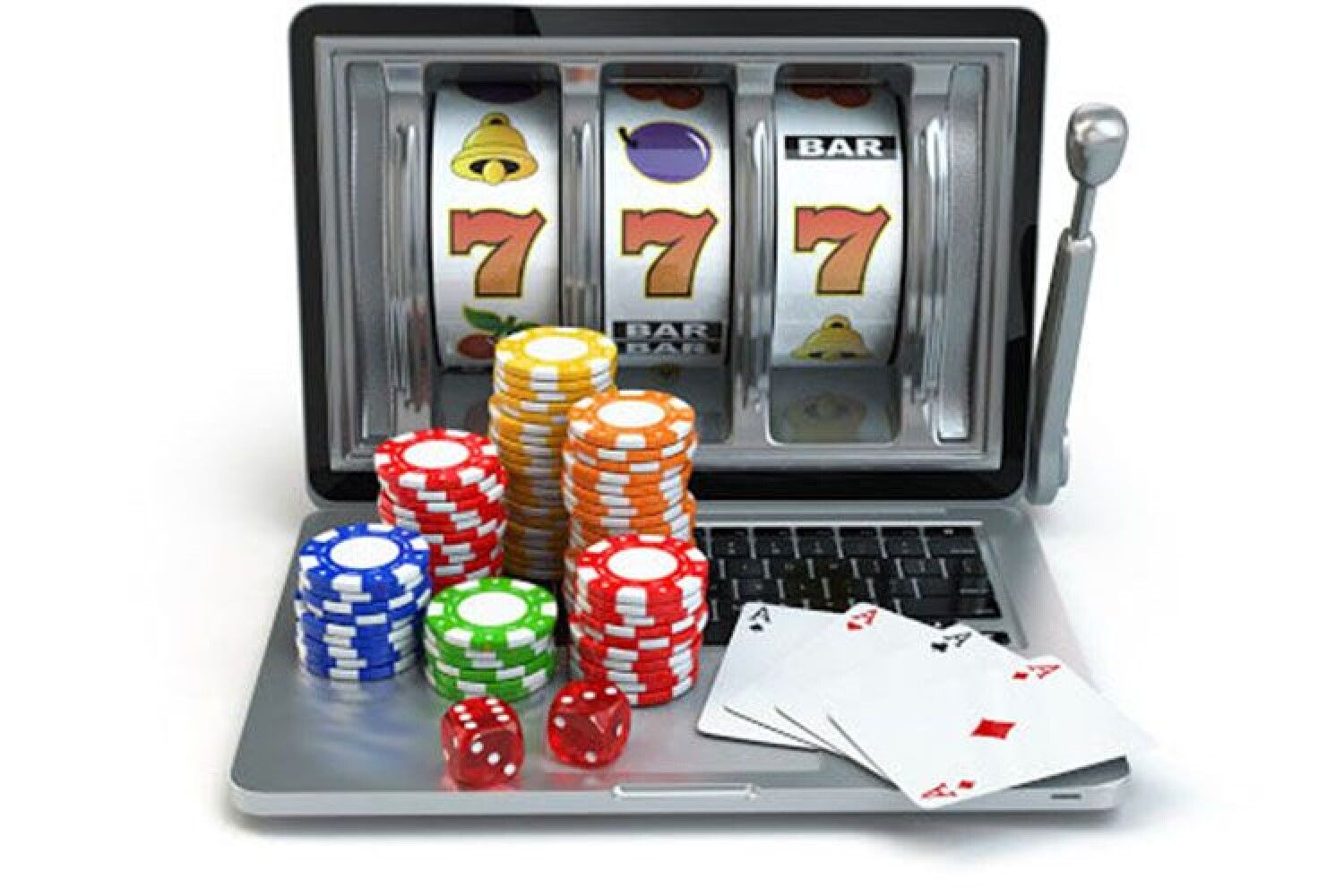
The advent of technology has transformed the gambling landscape, reshaping cultural perceptions and practices. Online gambling platforms have made betting accessible to a broader audience, transcending geographical and cultural barriers. This shift is particularly evident in regions where traditional gambling was limited or restricted. For instance, in countries with strict gambling laws, online casinos provide an alternative that appeals to younger generations seeking entertainment.
Moreover, the use of mobile devices has further integrated gambling into daily life, with apps and games that cater to various cultural preferences. This technological advancement not only alters how individuals engage with gambling but also influences societal views, often normalizing behaviors that may have previously been deemed taboo. As technology continues to evolve, its impact on cultural perceptions of gambling will likely grow, fostering new trends and habits across different societies.
Gambling and Social Norms
Social norms play a pivotal role in shaping gambling behaviors, often dictating what is considered acceptable or unacceptable within a culture. In some societies, communal gambling events, such as poker nights or bingo games, are seen as healthy social gatherings that foster connections among participants. These norms can encourage participation and create a sense of belonging, reinforcing positive perceptions of gambling.
On the other hand, social stigma associated with gambling can discourage individuals from engaging in such activities. For instance, in cultures where gambling is linked to moral decay or family disintegration, individuals may face judgment for participating, leading to a reluctance to disclose their gambling habits. This dichotomy illustrates how deeply ingrained social norms can either promote or inhibit gambling behaviors, significantly impacting the overall cultural perception of gambling.
About the Website
This website serves as a security portal aimed at safeguarding users while they navigate the online gambling landscape. Recognizing the challenges posed by online threats, it provides essential information to users regarding access issues they may encounter, ensuring a safer browsing experience. By focusing on robust security measures, the site helps users feel secure while exploring gambling options, reinforcing the importance of responsible gaming.
Additionally, the site offers guidance on resolving access concerns, emphasizing the need for transparency and user support. In a rapidly evolving digital world, providing a secure environment for users is vital, and this website is dedicated to addressing these challenges, promoting safe and responsible gambling practices globally.